
English| EUR
Suggested for you
More currencies
Choose a language
Bali's elephant venues have changed faster than the guidebooks describing them, and Singapadu is no exception. This can you ride elephants in bali guide explains what the park's elephant programme actually involves and how a welfare-led session differs from a saddle ride. It also sets out the questions worth asking before any Bali Zoo elephant tour is booked.
Quick answer
Elephant rides have largely given way to care-based encounters in Bali, and Bali Zoo's elephant programme is presented as supervised contact — bathing, feeding and walking alongside the herd — rather than saddle rides; general admission is 395,000 IDR per person. Offerings do change, so verify the current programme with the park directly before travelling. Arrive between 09:00 and 11:00 for the calmest handling and cooler conditions.
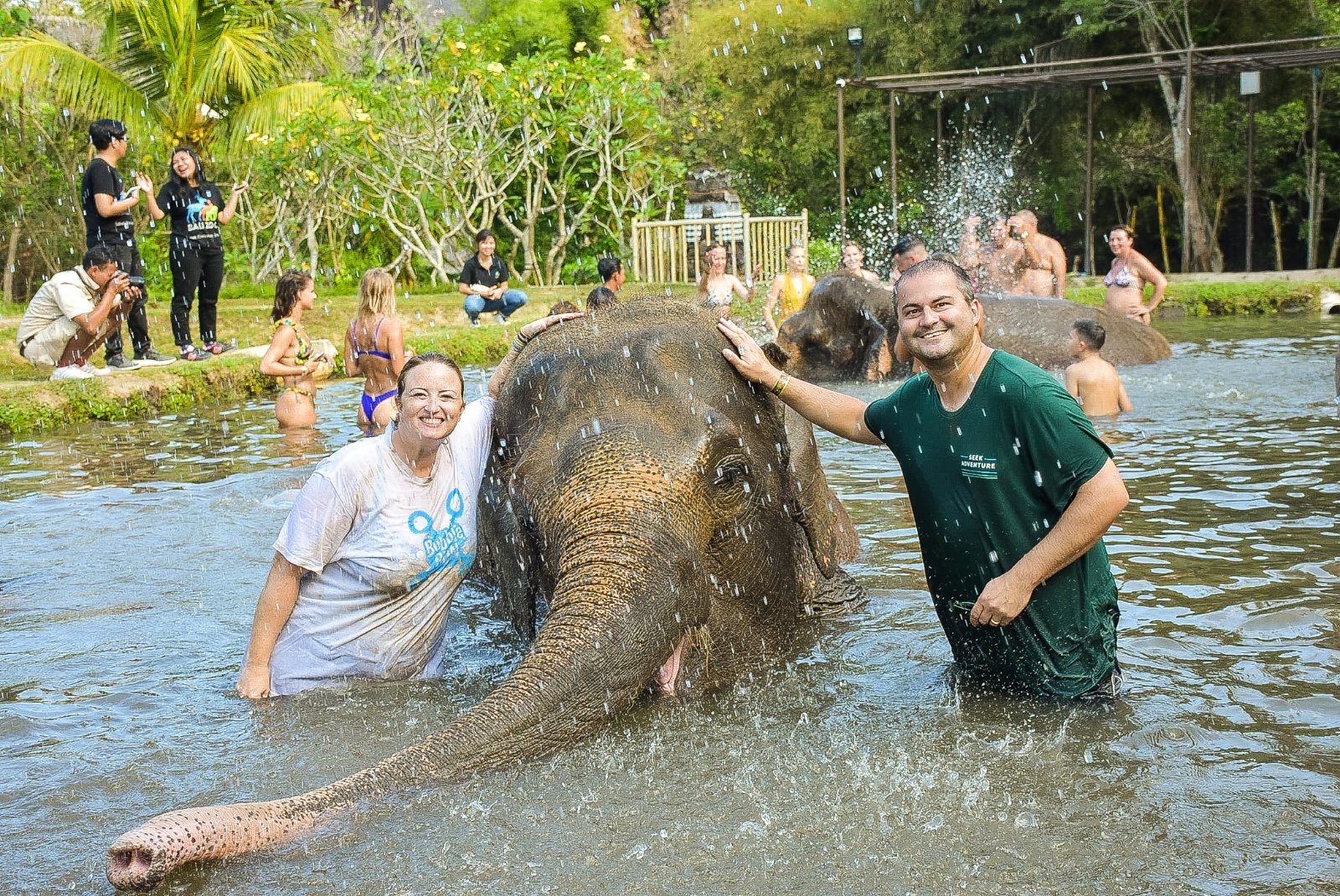
An elephant's back is not built like a horse's. Rows of bony protrusions rise from the vertebrae beneath the skin, which is why veterinarians treat sustained weight-bearing as a welfare question rather than a question of size. That anatomy sits behind the phrase travellers type before they book: can you ride elephants in bali. Across Indonesia the answer has been moving for years, as saddle-based programmes narrowed and keeper-led care sessions took their place. At Bali Zoo, in Singapadu village in Gianyar regency, the resident elephants are Asian elephants, a species listed as endangered; Indonesia's own Sumatran population numbers in the low thousands. Their day is structured around feeding, bathing and enrichment rather than passenger loads. Mahouts work in long-term pairings with individual animals, a relationship that shapes how the herd is handled during public sessions. Visitors on an elephant care experience in Bali typically wash, feed and walk alongside the animals under supervision, then step back. Watching a mud bath is unglamorous work for the observer and routine welfare maintenance for the elephant: mud is sunscreen, insect repellent and thermoregulation in one. Welfare-led programmes are recognisable by small details. Group sizes are capped. Sessions are short, scheduled around the animals' rest periods, and paused when an individual is off-form. Handlers use food and voice rather than force, and no animal is asked to perform tricks. Travellers comparing venues, from Gianyar's wildlife parks to the sanctuaries north of Ubud, can ask directly how many hours a day each elephant is on public duty, whether the herd has continuous access to shade and water, and where the animals sleep. The park's own staff answer these questions by phone on +62361294357, and the official site at bali-zoo.com carries the current programme list. Anyone still asking whether naik gajah di Bali remains on offer should treat the venue's published description, not a third-party listing, as the answer of record. For visitors weighing the ethics before the logistics, the question can you ride elephants in bali is best resolved by reading what a park does with its elephants for the other twenty-three hours of the day.
“Mud is sunscreen, insect repellent and thermoregulation in one — routine welfare maintenance, not a photo opportunity.”
The best arrival window is 09:00–11:00, as mornings are cooler and animals are more active before the midday heat. Planning your visit during these early hours ensures you see the elephants when they are most energetic.
—
Visiting during the week avoids weekend visitor spikes and offers a quieter experience.
Drier conditions, average 27°C
Lower humidity levels make walking the grounds more comfortable for visitors.
Higher humidity, average 28°C
While rain showers are more frequent, the park is less crowded during this time.
Verdict: The optimal time to visit is during the dry season, specifically Tuesday to Thursday, arriving at 09:00.
Bali Zoo maintains consistent daily operating hours throughout the week to provide access to elephant care areas.
A few preparations in the weeks and days before your visit will help you get the most from an elephant care experience at Bali Zoo.
Everything you need to know about can you ride elephants in bali
Bali Zoo prioritizes animal welfare and does not offer activities where visitors can ride elephants. The facility focuses on conservation and educational interactions rather than traditional elephant trekking.
Yes, the zoo provides opportunities for guests to learn about elephant care and participate in guided feedings. These interactions are designed to ensure the well-being of the animals while allowing for a meaningful connection.
Many visitors ask can you ride elephants in Bali, but policies have shifted toward observation and non-invasive engagement. Bali Zoo maintains a strict welfare program that removes activities like elephant trekking to support animal health.
While general admission does not require a reservation, booking your visit online can streamline your entry process. Checking the official site ensures you are aware of all available educational programs and activities for your visit.
Because Bali Zoo emphasizes welfare-focused interactions, the question of can you ride elephants in Bali with children is replaced by family-friendly educational sessions. Children are encouraged to observe the elephants during feeding times in a safe, controlled environment.
The entrance fee is 395,000 IDR per person, which covers general admission and a conservation contribution. This fee grants access to the park grounds, including the designated areas where you can view the elephants.
The best way to appreciate these animals is to visit during the recommended morning window of 09:00–11:00. Those curious if can you ride elephants in Bali will find that observing the herd during their morning activity is a more rewarding experience.