Elephant Care Experience Bali
Ethics & Logistics

Can You Wash Elephants in Bali

Elephant bathing sits at the centre of Bali's animal-tourism debate, and Bali Zoo in Singapadu is where most travellers meet the question directly. This can you wash elephants in bali guide sets out what the hands-on care sessions involve and how they are supervised. It also flags the details worth settling before you leave your villa.

8 min read Updated 2026-08-16 Fact-checked
Can You Wash Elephants in Bali

Quick answer

Yes. Bali Zoo offers supervised elephant bathing and care sessions with its resident herd, run inside the zoo's daily 09:00–17:00 operating pattern rather than as a walk-up activity. Standard admission is 395,000 IDR per adult foreign visitor, and hands-on elephant programmes are arranged separately with capped group sizes. Availability moves with keeper schedules, so confirm before travelling.

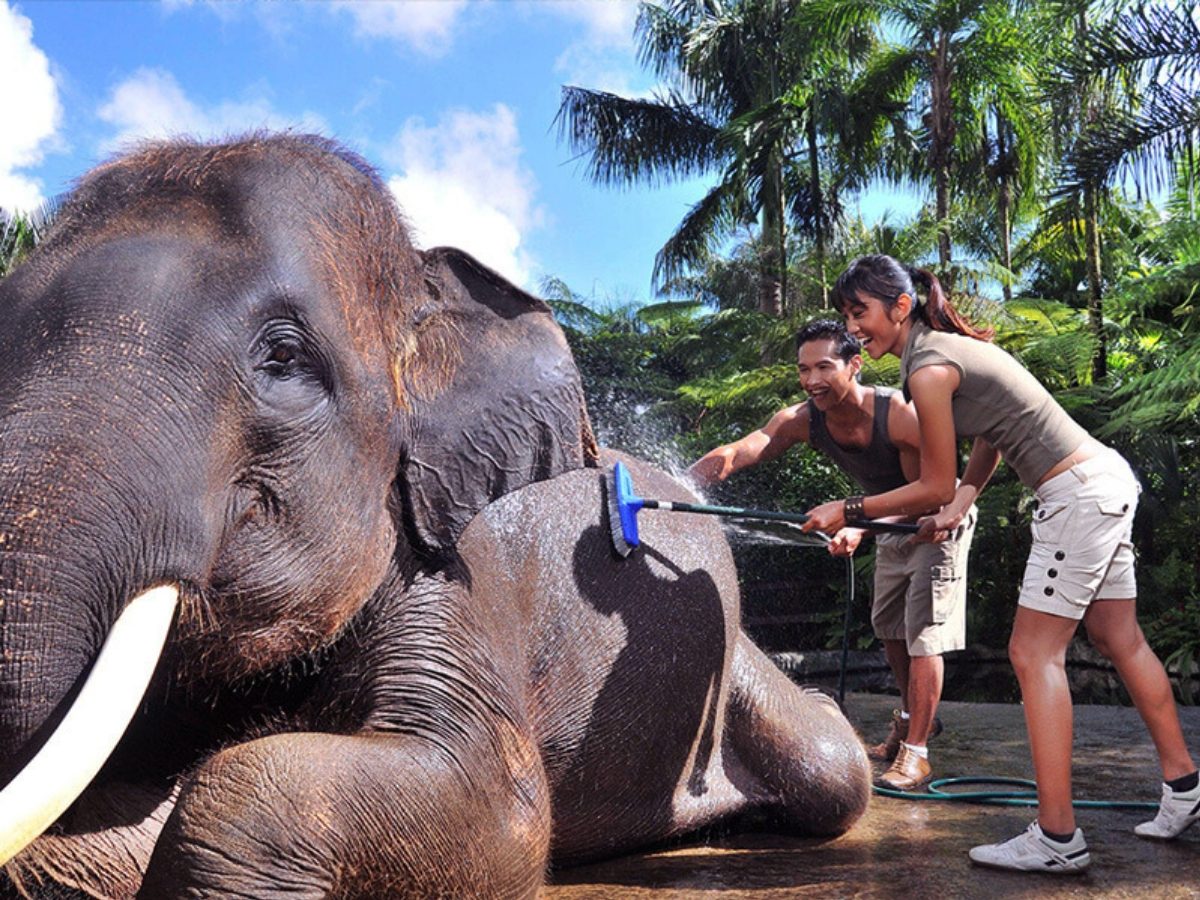
An adult elephant draws close to nine litres of water into its trunk in a single pull, which explains why a bathing session leaves the human participant wetter than the animal. That detail sits behind one of the most searched travel questions in Gianyar regency: can you wash elephants in bali, and on what terms. At Bali Zoo in Singapadu, contact with the resident Sumatran elephants is structured rather than casual. Visitors do not wander down to a river with a bucket. Sessions run to a schedule, are capped in size, and are supervised throughout by the mahouts who work with the same animals every day. The context explains the format. Elephant tourism across Indonesia has changed markedly over the past decade, and the vocabulary changed with it. Operators now speak of mandi gajah — elephant bathing — where brochures once advertised trekking. The activity is framed as care work: scrubbing behind the ears, rinsing dried mud from the flanks, then handing over banana stems and palm fronds as enrichment once the wash is done. Standards differ considerably between venues, which is why a Bali elephant bathing experience is worth researching site by site rather than island-wide. Bali Zoo sits inland in Singapadu, within Sukawati district, and its elephant programmes run alongside the wider animal collection rather than as a standalone sanctuary. Group sizes are small, and the keepers, not the guests, decide when an animal has had enough. Availability is the first practical variable to settle. Hands-on elephant care sessions are limited by daily capacity, keeper rotation and the animals' own routine, so they are not guaranteed by standard zoo admission alone. Reserving in advance through the booking pages, or confirming with the zoo on +62361294357, removes most of the uncertainty. Clothing is the second: closed shoes with grip, a full change of clothes, and a dry bag for phones and passports. Sunscreen goes on before the session, not during, since the animals should not be handled with product-coated hands. Readers still weighing whether can you wash elephants in bali is the right way to spend a morning in Gianyar will find the welfare rules, timing advice and fee detail set out in the sections that follow, each answering a single question without repeating the others.

“Bathing an elephant is care work rather than a photo opportunity: the mahout sets the pace, and the animal decides when it is finished.”
Etiquette

Can You Wash Elephants in Bali and What Is the Ethical Policy?

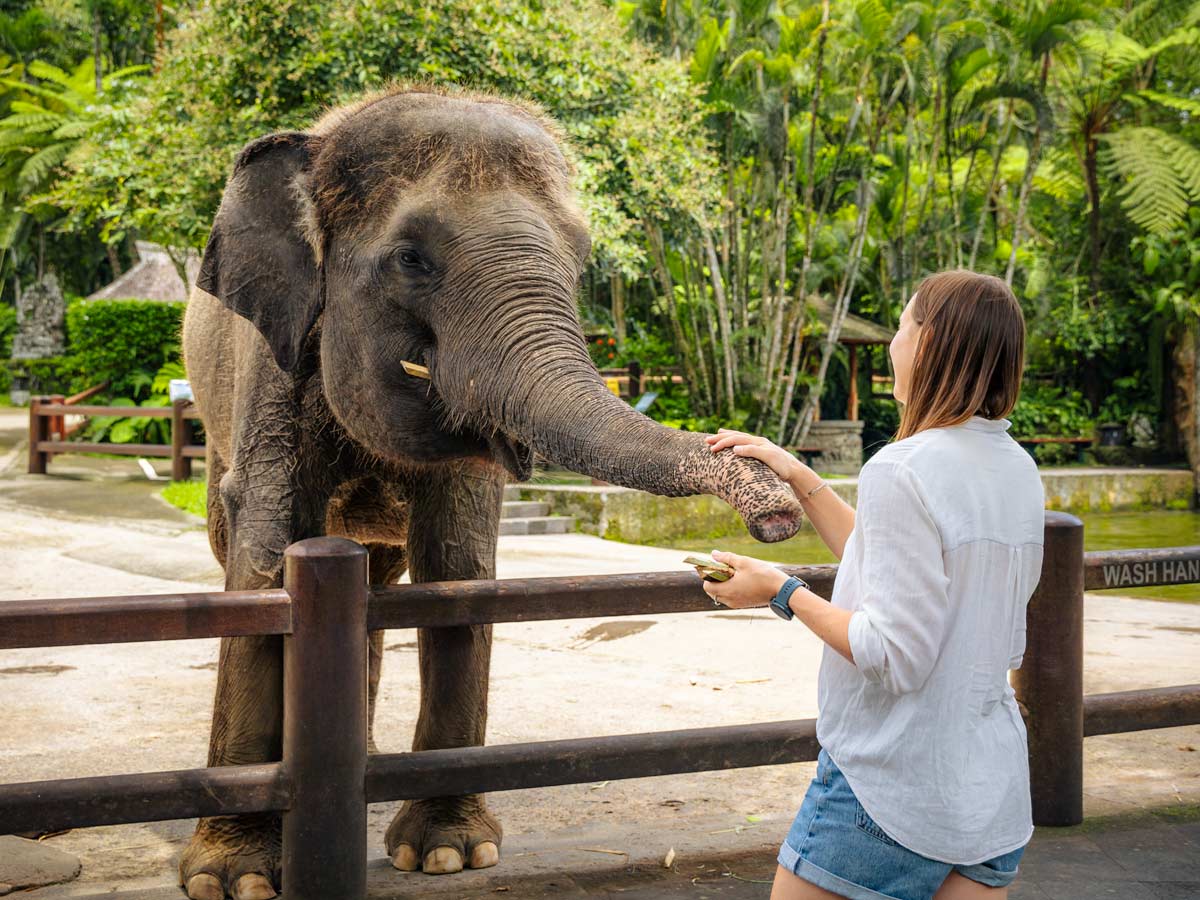
Elephant washing sits at the centre of Bali's animal welfare debate, and Bali Zoo has shifted its elephant programme toward observation and keeper-led feeding rather than hands-on bathing. How visitors behave around the herd directly affects whether the animals stay calm and whether staff can keep interactions welfare-first.

Do

  • Follow keeper instructions on distance, timing and where to stand
  • Ask staff which elephant activities currently run before planning your visit
  • Keep your voice low near the elephant enclosure and feeding areas
  • Let elephants approach the barrier in their own time
  • Report any behaviour that appears to distress an animal to staff
  • Read the welfare signage posted around the elephant area

Don't

  • Do not assume bathing or riding is offered without confirming with staff
  • Do not feed elephants anything not handed to you by keepers
  • Do not use flash photography or drones near the elephant enclosure
  • Do not reach over barriers to touch trunks, ears or tusks
  • Do not pressure keepers for closer contact or staged photo poses
  • Do not crowd or block others waiting at the viewing rail
What to see

Seeing Elephants in Bali at the Bali Zoo Habitat

The Bali Zoo provides dedicated habitats where visitors can observe the Sumatran elephants from designated viewing areas. These spaces are designed to facilitate natural observation of the elephants during their daily routines.

Elephant Savannah

Elephant Savannah

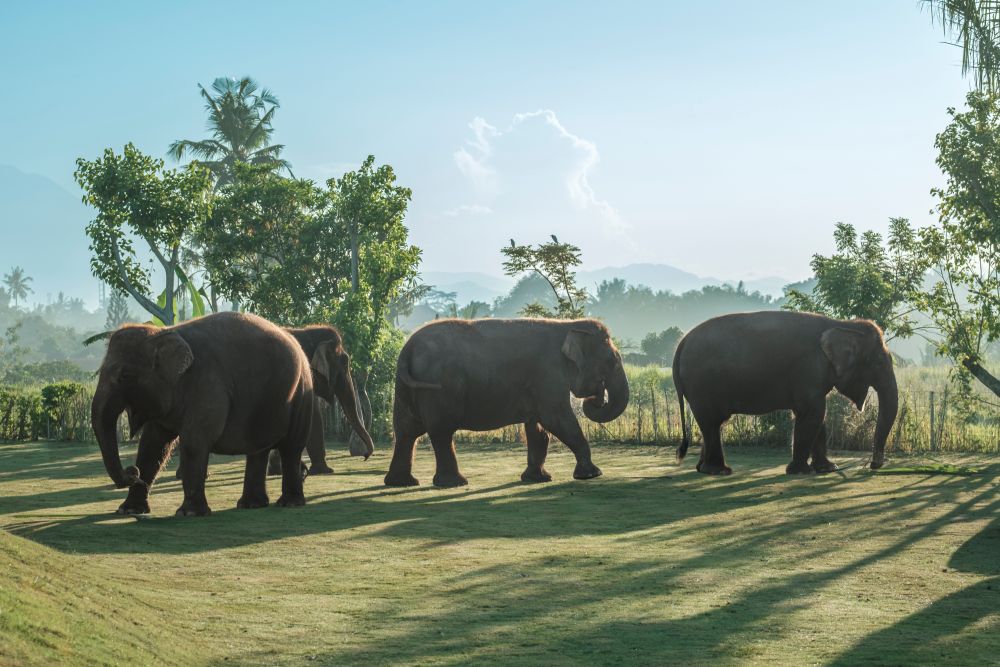
This open-air enclosure allows visitors to view the elephants within a landscape that mimics their natural environment. The area is structured to provide clear sightlines for observation while maintaining distance.

Visit mid-morning when the herd is most active and foraging.
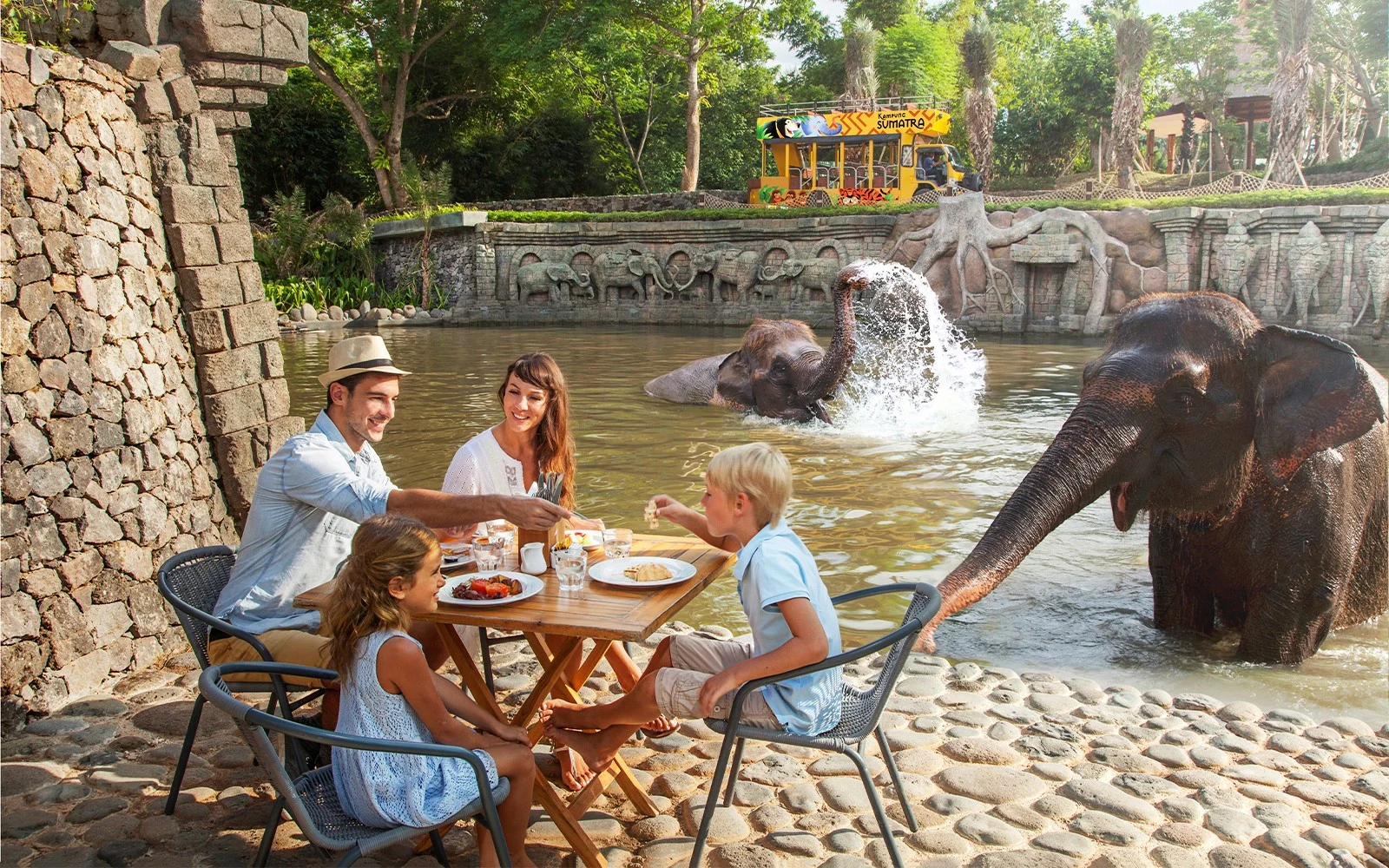
Elephant Feeding Deck

Elephant Feeding Deck

An elevated platform where guests can observe the elephants as they interact with their environment and keepers. This vantage point offers a perspective of their size and movement.

Observe from the far end of the deck for wider views.

Education Center

Education Center

This area features information displays regarding the biology and conservation status of Sumatran elephants. It serves as a resource for understanding the specific needs of the species housed at the zoo.

Read the interpretive signage before heading to the exhibit.

Mud Wall and Pools

Mud Wall and Pools

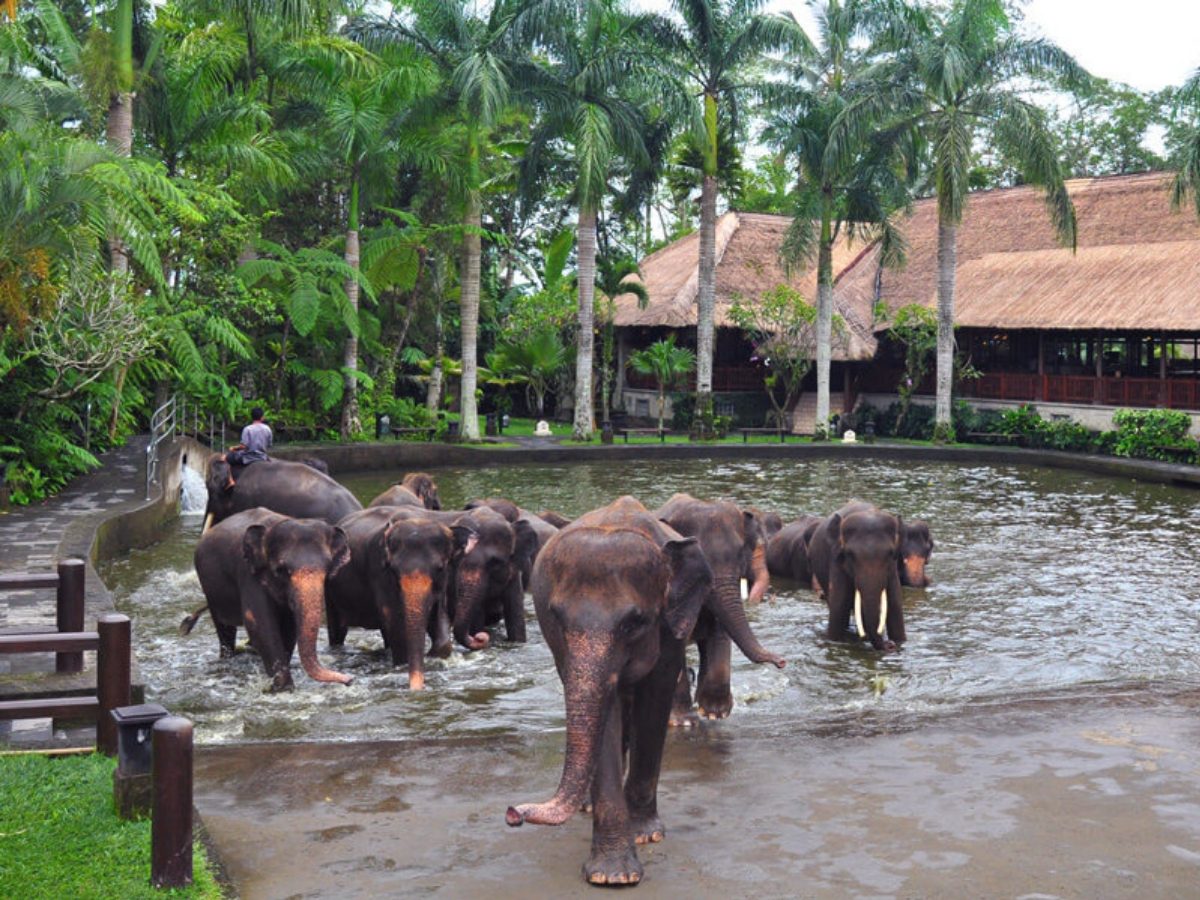
A specialized zone where elephants engage in natural behaviors such as mud bathing and cooling off in the water. These activities are essential for their skin health and thermoregulation.

Watch for splashing activity during the warmer hours of operation.

Timing

When to See Elephants in Bali for the Best Experience

The best arrival window is 09:00–10:30, as arriving early allows visitors to enjoy cooler temperatures and see animals when they are most active.

Weekday mornings

Low to moderate crowds

Animals are typically more active during these cooler morning hours.

Dry Season (Apr–Oct)

High tourist volume

Dry, 26–28°C

Lower humidity makes outdoor observation more comfortable during these months.

Wet Season (Nov–Mar)

Moderate tourist volume

Humid, 27–30°C

Expect frequent rain showers, which often drive animals toward covered areas.

Verdict: Arrive between 09:00–10:30 on a weekday during the dry season of April or October for the most comfortable conditions.

Opening hours

Bali Zoo Opening Hours for Elephant Viewing

Bali Zoo maintains consistent daily operating hours for all elephant viewing and general park activities.

Monday
09:00–17:00
Tuesday
09:00–17:00
Wednesday
09:00–17:00
Thursday
09:00–17:00
Friday
09:00–17:00
Saturday
09:00–17:00
Sunday
09:00–17:00
Visitors are encouraged to plan their visit within these hours, noting that the zoo closes at 17:00.
Directions

Getting to Bali Zoo to Learn Can You Wash Elephants in Bali

Bali Zoo is located at Jl. Raya Singapadu, Singapadu, Kec. Sukawati, Kabupaten Gianyar, Bali 80582, Indonesia. The most efficient way to reach the site is via private transport or hired taxi services from major tourist hubs.

Taxi 45–60 min from Denpasar

Direct drive via Jl. Raya Singapadu

Car 30–45 min from Ubud

Route via Jl. Raya Ubud

Visitors should utilize the main entrance on Jl. Raya Singapadu. Parking is available on-site for those driving personal or rental vehicles.

Book

Check availability

Frequently asked

Frequently asked questions about can you wash elephants in bali

Everything you need to know about can you wash elephants in bali

Can you wash elephants in bali at the zoo?

While visitors often search if can you wash elephants in bali, direct bathing activities are subject to current welfare policies focused on observation. The zoo prioritizes natural behaviors, so please check the official site for the latest interaction availability regarding elephant care experiences.

Is there a specific elephant bathing tour available?

If you are researching a guided Bali elephant park tour, note that specific interactions change based on animal health and safety standards. Always verify current offerings to see if can you wash elephants in bali as part of an official program.

What is the standard entrance fee for visiting the zoo?

The entrance fee is 395,000 IDR for a standard adult foreign visitor. This ticket provides access to the grounds where you can observe these gentle giants in their sanctuary habitat.

When is the best time of day to see the elephants?

For the most comfortable visit, we recommend the best arrival window of 09:00–10:30. Arriving early helps you avoid the heat and ensures you see the animals when they are most active.

Are children allowed to participate in elephant activities?

Families are welcome to explore the park, though participation in any hands-on elephant activities depends on age restrictions and current safety guidelines. Many guests ask can you wash elephants in bali, but we suggest focusing on educational observation for younger children.

What are the operating hours for the zoo?

The zoo operates daily from 09:00–17:00. This schedule allows ample time to walk through the lush environment and observe the wildlife at a leisurely pace.

How do I get to the elephant enclosure?

The zoo is located at Jl. Raya Singapadu, Singapadu, Kec. Sukawati, Kabupaten Gianyar, Bali 80582. You can plan your route to this location easily, as it is a well-known landmark for those seeking a Bali animal encounter.

Keep reading

More guides & pages